Showing posts with label Pirate Radio. Show all posts

Tuesday, June 13, 2023

C. M. Obrecht Shortwave Radio - Exploring the World of Electronic Music

The captivating realm of shortwave radio never ceases to amaze me with its jewels from across the world! In my DXing experience of over 25 years I have listened to numerous broadcasts from both hemispheres, collected some treasured QSLs for personal glory (not to mention the tons of mail correspondences) and amassed hours of my audio recordings to enchant my leisure! My love for radio germinated from listening to 'Border Crossings' on the Voice of America, way back in my early teen. I would cling to my portable AM radio at bed-time listening to the fascinating realm of notes and beats from different continents! In fact even now, whenever a familiar tune playing on radio draws my attention, I halt my daily proceedings to enjoy few minutes of boundless joy!

In my earlier post I have mentioned how, in recent years, I was gradually drawn towards DXing using WebSDRs. And, there's one more reason to it. I have developed a fondness towards listening to music on low powered stations, predominantly on AM mode (mostly in Europe) and which otherwise are impossible to hear from my QTH without the aid of a WebSDR. There are however, sporadic broadcasts that some of these stations conduct over shortwave, by renting airtime from transmitters in Europe, Asia and Africa to reach a global audience. And I try to log such broadcasts targeted to my part of the world with the aid of my shortwave radios. Although, in most instances, the broadcasts suffer heavy interference from static electrical field disturbances or from overlapping signals from high-powered broadcasters like those originating from China. Tough as it may seem, I try to correlate my DX catches with a simultaneous web-streaming of the program, to help me verify the reception, at times. 

Herein, I am sharing one of such experiences. This post is about 'C.M.Obrecht Shortwave Radio' verification from Moosbrun, Austria, dating back to early 2022. Before I go to the specifics of this DX-catch, let me give you an intro of C.M. Obrecht. The following is written with information curated from an excerpt in the British DX Club bulletin. 

"C.M.Obrecht, full name - Claudius Matthias Obrecht hailing from Switzerland, is not only a talented musician but also the proud operator of an officially registered Swiss private radio station. Born and raised in the charming town of Hofstetten-Flüh, Switzerland, in 1980, Obrecht's passion for electronic music and synthesizers ignited at the tender age of 16. It was his father, an ardent Jean-Michel Jarre fan, who introduced him to the mesmerizing world of electronic music through a remarkable concert. From that moment on, Obrecht was captivated, and his love affair with synthesizers and electronic sounds began. At the age of 17, armed with a Yamaha Cs1x "ROMpler" and a Doepfer MS-404, Obrecht embarked on his musical journey. Back then, digital "ROMplers" were all the rage, but his desire for more led him to stumble upon the Korg Volca analogue synthesizers in 2015. This discovery breathed new life into his passion, fulfilling his long-held dream of owning a collection of diverse analogue synthesizers.

By day, Obrecht works as a software developer and programmer, constantly expanding his skill set in various languages. He has delved into Swedish, Slovak, Russian (with a focus on reading and writing), Polish, Czech, Slovenian, Hungarian, and, naturally, his mother tongue, German. However, it is in the realm of shortwave radio that C.M.Obrecht truly shines. Broadcasting on different frequencies, he reaches a global audience through platforms like ORS Moosbrunn, Channel 292, Media Broadcast, WRMI Miami, and Encompass Woofferton. He sometime uses DRM mode of broadcast to reach countries those are using DRM as a bona fide medium of public communication. 

His programs encapsulates mostly, his own captivating musical compositions. To keep his fans informed, Obrecht regularly shares updates about upcoming broadcasts through his social media accounts. This way, eager listeners can stay in the loop and never miss a chance to tune in to his enthralling transmissions. He has a Mixcloud account where some of his shows are uploaded - both, his own and those from Channel 292. You can listen to his shows on Mixcloud here. 

Now coming back to my first encounter with C.M.Obrecht on the airwaves, it was on January 28, 2022, that I listened to his musical program on 11735kHz via ORS Moosbrunn, beamed towards Asia & Australia between 1215-1240 UTC from my QTH in Kolkata, India. Station ID was in German with mention of C.M.Obrecht Station and contact details was shared. I like trance and EDM and exposed to this genre quite a bit. C.M.Obrecht’s electronic music tracks were original, fresh and interesting.

I listened to the broadcasting using my Tecsun PL 310 receiver and simultaneously via the WebSDR at University of Twente in the Nederland. A detailed reception report with audio recording was emailed on the following day to which the broadcaster replied with an e-QSL within 48 hours!

I was enthralled with this sonic adventure unlike any other in recent times and ever since been following his musical journey. If you're interested to listen, here are his channel links on Bandcamp and Soundcloud .

Happy Listening!


Tuesday, March 28, 2023

A short rambling on the state of DXing in a digital-first world!

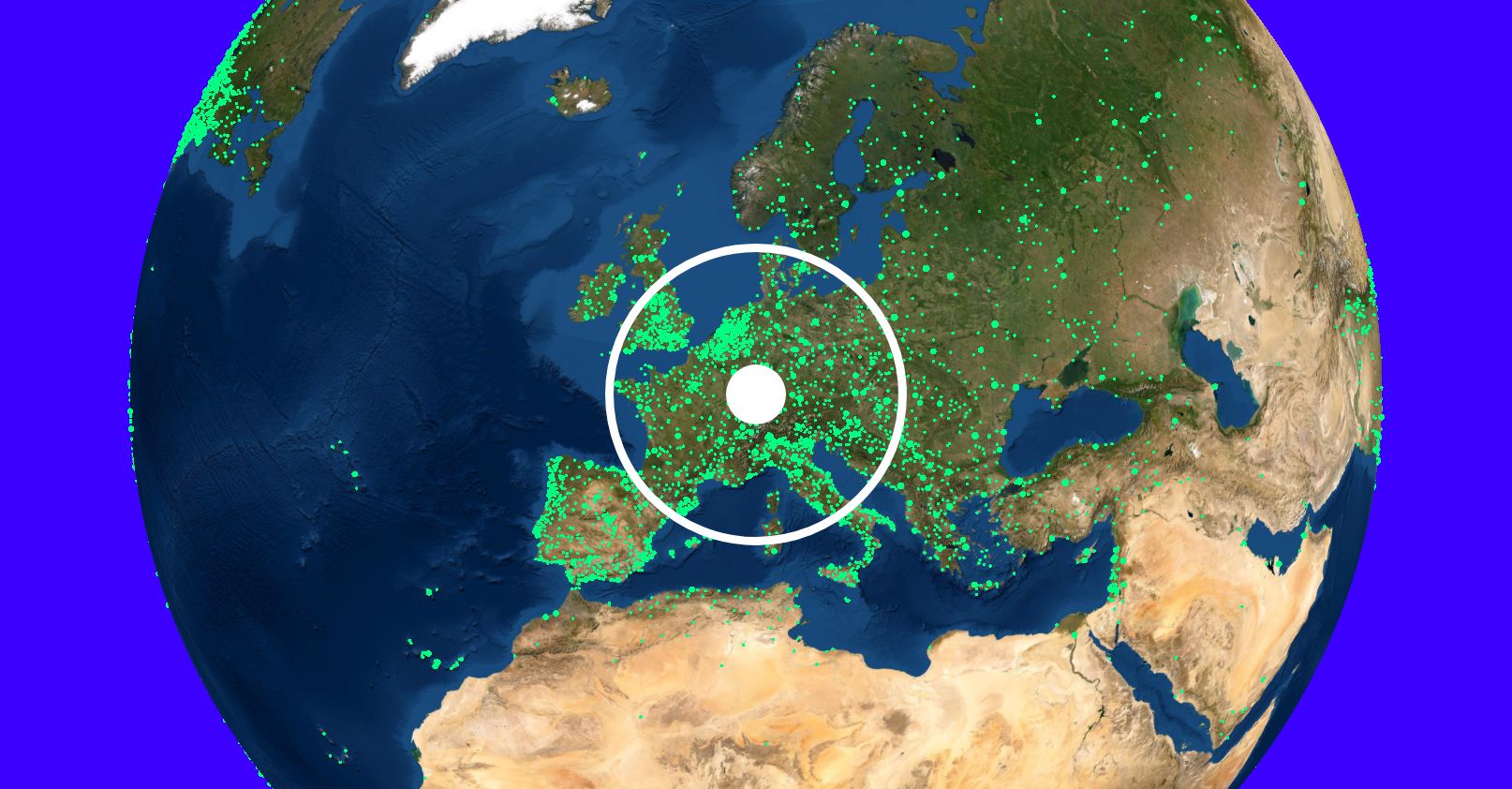
In the last few years, a number of radio stations have shifted gears from shortwave bands to online (digital) platforms. Gradually the erstwhile popular shortwave bands (13m-60m) lost their charm! The only stations which remained dominant, intensifying their coverage were from China (P.R). And as the Chinese stations stepped up their broadcast coverage across the length and breadth of the shortwave radio spectrum, SWLs (in particular) gradually lost interest in shortwave radio. Now, I might sound a bit off-topic - I was surprised to note many serious DXers and SWLs (among my hobbyist friends) started exploring amateur radio. Some of them eventually taking it seriously, becoming HAMs in the process. Those who could afford the insanely costly top-of-the-class SDRs (Software Defined Radios) like Perseus upgraded their listening shacks while those with lesser means shifted to less-costly SDRs (check this list). A third faction - the indecisive ones (or more suitably, I would call them 'experimenters') started fidgeting with web-based SDRs (free-to-use) and mobile radio apps - the likes of utwente, kiwisdr, hamsphere and radio garden! I belong to the experimenters tribe! And Web-SDRs became my new-found passion!

pic courtesy: uTwente

One key reason was my indomitable urge to explore new stations on the air-waves! While my local listening conditions grew bad to worse with ear-deafening radio field interference from the ever-increasing mobile towers and electronic gadgets, web-based SDRs offered a never-before opportunity for tuning  remote receivers stationed half-way across the world with the click of a mouse! For example, the charm of tuning into a low-powered South American station remotely using a communications receiver (fitted to an elaborate antenna system) stationed in Europe and listening to their midnight closing broadcast from the previous day while its early afternoon at my QTH, seemed fantasy-come-true!

pic courtesy: radio garden

Till date, uTwente Web-SDR has remained my favorite! Apart from tuning in to new stations from far-off lands, this Wide-band WebSDR has allowed me unfiltered access to the local medium wave and shortwave, clandestine, and pirate stations (operating on low power) from all across Europe! 

I gradually took interest in pirate stations operating with home-brewed gears and broadcasting sporadically with just a few watts! My daily DX schedule would include monitoring pirate forums for new entrants, preparing and updating listening logs and targeting my next catches to QSL! With much planning and synchronized monitoring I listened to few pirate and free radio stations and amassed a few notable pirate QSLs from Europe to my collection.

pic courtesy - Penguin India

DX pundits might say that E-QSLs obtained by listening to/and reporting on broadcasts heard using remote WebSDRs are not genuine feats. But I will reason otherwise! Any QSL/E-QSL received through truthful reporting of reception (broadcast programs) heard on the radio or through online/ remote radio receivers (WebSDRs) require equal attentiveness and dedication. And if 'transparency' or 'truthfulness' in reporting be considered a yardstick for ingenuity, I would further infer that I was unfortunate to bear testimony to 'unbelievable' DX-feats from seasoned DX hobbyists in the past, those achieved through falsifying reports and doctored audio-clippings, which were even celebrated and cheered on by comrades of the DX fraternity! 

Currently I am not an active DXer and only tune-in my radios rarely. Today, i'm (more-or-less) a regular on web-SDRs and online radio apps.

The days of shortwave listening for nights together, hunting for those elusive radio signals are gone for sure, yet my love for the crackling in the ether remains ever anew!


Wednesday, June 1, 2016

Radio Orion 2000 QSL - Free Radio Station on Shortwave

One of my new-found DX addiction is listening to radio broadcasts via web based Software Defined Radios (WebSDRs). For those of us who entered this magical world of DXing by manually turning the knobs of analog radios, SDRs are nothing short of Aladdin's Magic Lamp! I remember the first time when I actually operated an SDR during ADXL DXpedition 2014, I was simply awestruck! The ease of tuning along with the real-time feed of the station signals appearing in waterfall view on the SDR user interface screen mesmerized my senses! Online (Web-based) SDRs are even more thrilling! The sheer excitement of operating a WebSDR located thousands of kilometers away, right from the comfort of my home and listening to low powered radio stations that are practically impossible to hear from my QTH was something unimaginable even a few years back. 

Now SDRs are just a click away! Hence, once I started tuning SDRs I never got tired, and the thrill continues. Nowadays, (almost every other day) I tune into pirate radio and free radio stations operating with very low power in Europe via WebSDRs located in different countries of Europe. I love the variety of programming, the music, the 'accented' presentation, the local commercials and the colorful QSLs/ eQSLs of these free radio stations. Puritans might say that QSLing a radio station using WebSDR isn't fit to be counted among laurels. I agree, but then WebSDRs provide refreshment to my ever-hungry DX soul, enabling me to relish slices of exotic entertainment, in our present era of dwindling 'powerhouse' broadcasters. 

Radio Orion 2000 logged via Twente SDR


With the onset of A16 broadcast season a plethora of (low powered) pirates/ free radio stations seemed to have emerged in Europe and I have been listening to a lot of these stations every weekend. My recent log of Radio Orion 2000 was quite by chance! I followed up the live blog of a fellow radio aficionado and tuned in to Radio Orion 2000's broadcast on 6940 KHz between 1720-1735 UTC ON April 29, 2016 via Twente WebSDR. A musical program was heard with both German and English songs being played. Prominent IDs in German “Radyo Orion Zweitausend” and in English was heard. Reception quality was overall Average to Fair. Reception suffered from noise (probably QRM from electrical gadget / power source at remote receiver QTH) vicinity. Except this QRM audio stream was flawless with NO breakups in audio feed. A reception report was mailed on May 2nd and eQSL verification was received on May 3rd from Commander Cliff Allister McLane of Radio Orion 2000. Their contact email id is <radioorion2000@gmail.com> .

Sunday, May 24, 2015

Pirate and Free Radio QSLs from Europe

Listening to Pirate and Free Radios is very popular among European and North American listeners & hobbyists. However, sitting here in the eastern part of the Indian subcontinent, it is next to impossible to hear these broadcasts. The chief roadblocks are – low powered transmitters (mostly a few wattage of power) and  the broadcast timings (mostly early mornings and late afternoons CET & GMT) which is mid-day to early evening in this part of the world, hence unfavourable day-time propagation on the SW band plays havoc. To add to the tough luck, my QTH is in the busiest part of the city and full of QRM (human-generated interference) from use of everyday electronic gadgets. So it leaves me with no choice but to log and monitor Pirate and Free Radio stations from Europe and North America through remote receivers over an internet connection. The WebSDR at University of Twente, in particular, is my wonder toy! I spend hours listening to Pirate and Free Radio stations operating from the Adriatic to the British Isles and even across the pond from the Appalachians to the Rockies and beyond.

I am amazed to find so much interest in Pirate and Free Radios among listeners at a time when international broadcasters are closing their doors for shortwave radio listeners and dismantling historic transmitting facilities citing lame reasons like lack of funds, lack of listeners, policy change, evolving to a digital only presence and so on. I am into DXing for over 18 years now and I like to enjoy my hobby in all its shades. Having said that I must also confess that nothing beats the sheer charm of slowly turning the tuning knob of radios and adjusting the fine tune/ BW filter to hear voices from across the seven seas! Notwithstanding, Web-SDRs and remote receiver logs are equally fascinating to me. 

With the intention to explore the world of Free Radios and Pirate Radios, I started sending e-reports of my monitoring of Pirate and Free Radio broadcasts since early 2015. I was fascinated to receive my first WebSDR* logged QSL from Radio Geronimo. Then one QSL followed another - Radio Quadzilla, Europa 24, Radio Underground, Radio Merlin International, Atlantic 2000 Internationall, and a few more are in the queue.


Radio Geronimo Shortwave QSL, Germany
Quadzilla Radio QSL, East Holland

Europa 24 QSL, Germany

Atlantic 2000 International QSL, Germany

Radio Underground QSL, England

Radio Merlin International QSL, England

Radio Merlin International QSL, England


         Radio Carrierwave QSL, The Nederlands

I must add here that although these are QSLs received after monitoring hours of radio broadcasts (with a Wide Band WebSDR) I would personally consider these as my souvenirs for general listenership. When it comes to ‘real’ QSL hunting and collecting I prefer to remain old school. In the coming months I will keep on adding exotic pirate & free radio mementos to my collection here and will share with you from time to time. Stay connected. 73's

Tuesday, March 3, 2015

Exploring Pirate and Free Radio Broadcasts

Lately, I have taken interest in listening to Pirate Radio Stations. Unlike in the western hemisphere here in India, there isn't any notable pirate station to speak of. Sporadic broadcasts from makeshift/ mobile units can be heard in isolated parts of the country (which are illegal). In this connection I would like to recall my experience of logging and hearing pirate stations operating in the AM/ MW band during my recent trip to nearby sea beaches  - Mandarmani, Udaypur & Tajpur. You can listen to one of my recordings on SoundCloud

Pirate/ Free Radio is Hip & Happening in other parts of the world, especially, in Europe & the United States of America. There's a rich history of free radio broadcasts out there on the web for you to learn and explore. Here's a link for self education - Click HERE


Although, my journey with Pirates/ Free Radio broadcasts started a few years back when I religiously started listenig to Radio Atlantic 2000 International's weekend broadcasts online, but honestly speaking I didn't get the same pleasure of tuning a station, as with web streaming. Till today, I make it a point to listen to Atlantic 2000 Intl. program whenever they broadcasts through their website. Take a look at one of my earlier posts on Atlantic 2000 International To listen online, Click HERE

Only recently, I have started logging Pirate Stations from Europe using Global Tuners & WebSDR. Both are simple to operate yet amazingly accurate and effective for DXing. The sheer thrill of tuning a radio kept thousands of miles away from my QTH and logging the local AM/FM/Utility/Amateur broadcasts audible from the remote QTH, as well as scanning the SW bands to listen to /compare stations' signal propagation with that heard from my location, is sheer fantasy! I am loving it.

Here are my latest QSLs from Pirate/ Free Radio Stations broadcasting from Europe *logged via Global Tuners and WebSDR. Click on the radio station names below to view the QSLs and reception details - 


By the way, in the last two weekends I have logged and listened to a number of Pirates from Europe and only these two stations have responded to my report so far. I will update as soon as I have more good news to share.

73's